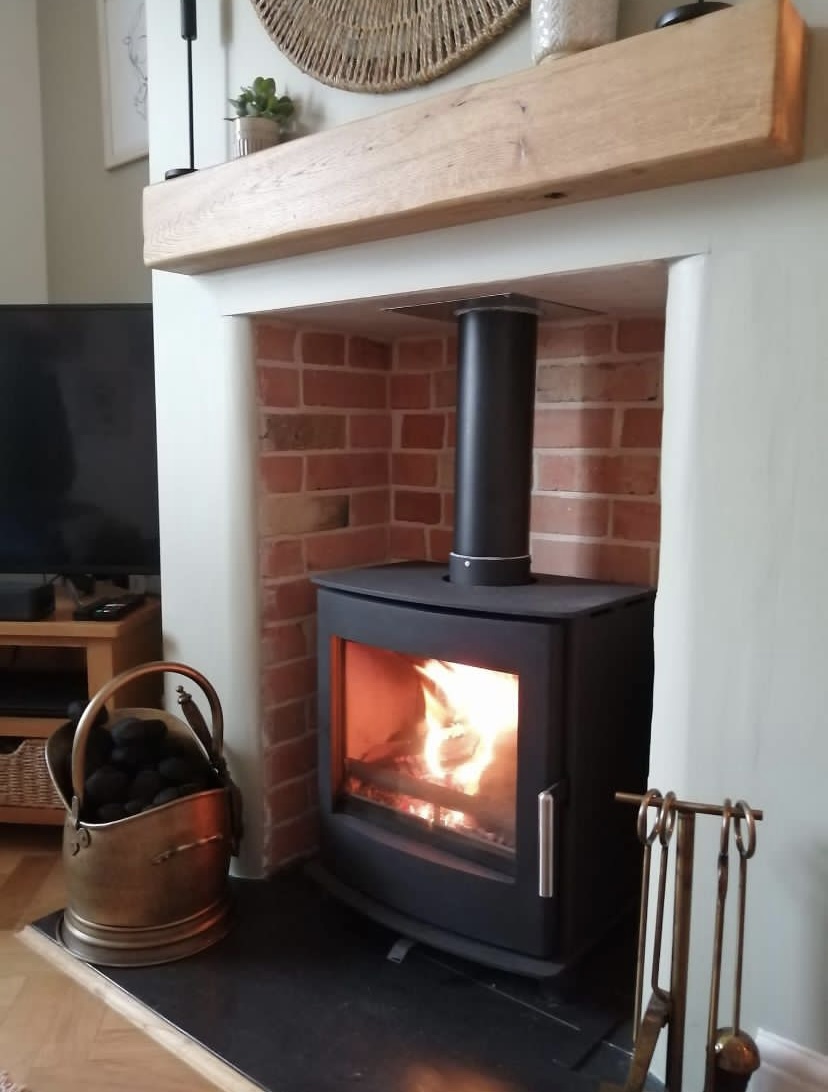
District Flues and Stoves is a HETAS-registered installer covering Norfolk and Suffolk. Every wood-burner, flue and chimney install we complete is issued with a HETAS Certificate of Compliance and notified to your local Building Control on your behalf.
What is HETAS?
HETAS is the UK's official approval body for solid-fuel heating installers, retailers and appliances. The name stands for the Heating Equipment Testing and Approval Scheme. Being HETAS-registered means our installers are trained, tested and required to stay current with UK building regulations and tolerances. It also means we're authorised to self-certify work, which saves you the cost and paperwork of a Local Authority Building Notice.
Why does HETAS registration matter?
Choosing a HETAS-registered installer matters for four practical reasons:
- A certificate of compliance for every install. You get a HETAS Certificate of Compliance when the job is finished — proof the install was done by a competent person to current regulations.
- Building Control notification handled for you. In England and Wales, building work on a solid-fuel installation must be notified to Building Control. As a HETAS installer we do this on your behalf, replacing the need for you to apply for a Building Notice separately.
- Only approved products used. HETAS installers use stoves, flues and components that have been independently tested and certified.
- Insurance and resale. The HETAS certificate is recognised by home insurers and is the document your solicitor will look for when you sell the property. Unnotified solid-fuel work can complicate or delay a sale.
What does the HETAS Certificate of Compliance cover?
The certificate confirms that the work meets Building Regulations 4 and 7 (England and Wales) — the parts that cover materials, workmanship and the safe operation of fuel-burning appliances. It records the appliance, the flue, the installer and the property, and is sent to Building Control automatically.
Why does safe chimney and flue work matter?
A badly-installed or unswept solid-fuel appliance is a real safety risk. Two main hazards: chimney fires from soot and creosote build-up, and carbon monoxide leakage from cracked or unlined flues. Carbon monoxide is colourless and odourless, and its symptoms — headaches, drowsiness, nausea — are often mistaken for flu. A properly installed, certified and maintained solid-fuel system protects against both.
Frequently asked questions
How do I check a HETAS installer is genuine?
HETAS publishes a public register of approved installers at hetas.co.uk/consumer/services/installers. Search for District Services (our registered company name) to confirm our registration.
What happens if I install a stove without HETAS certification?
The work has to be inspected and signed off retrospectively by Building Control, which is slower, more expensive, and can delay or block a future property sale. Some insurers won't cover unnotified solid-fuel installations.
Does the HETAS certificate cover the stove or the install?
The install. The stove itself is covered by the manufacturer's warranty. The HETAS certificate confirms the appliance was installed safely and to regulations.
Ready to talk?
Free, no-commitment quote on any of our services. Call us or send a message and the team will get back to you.